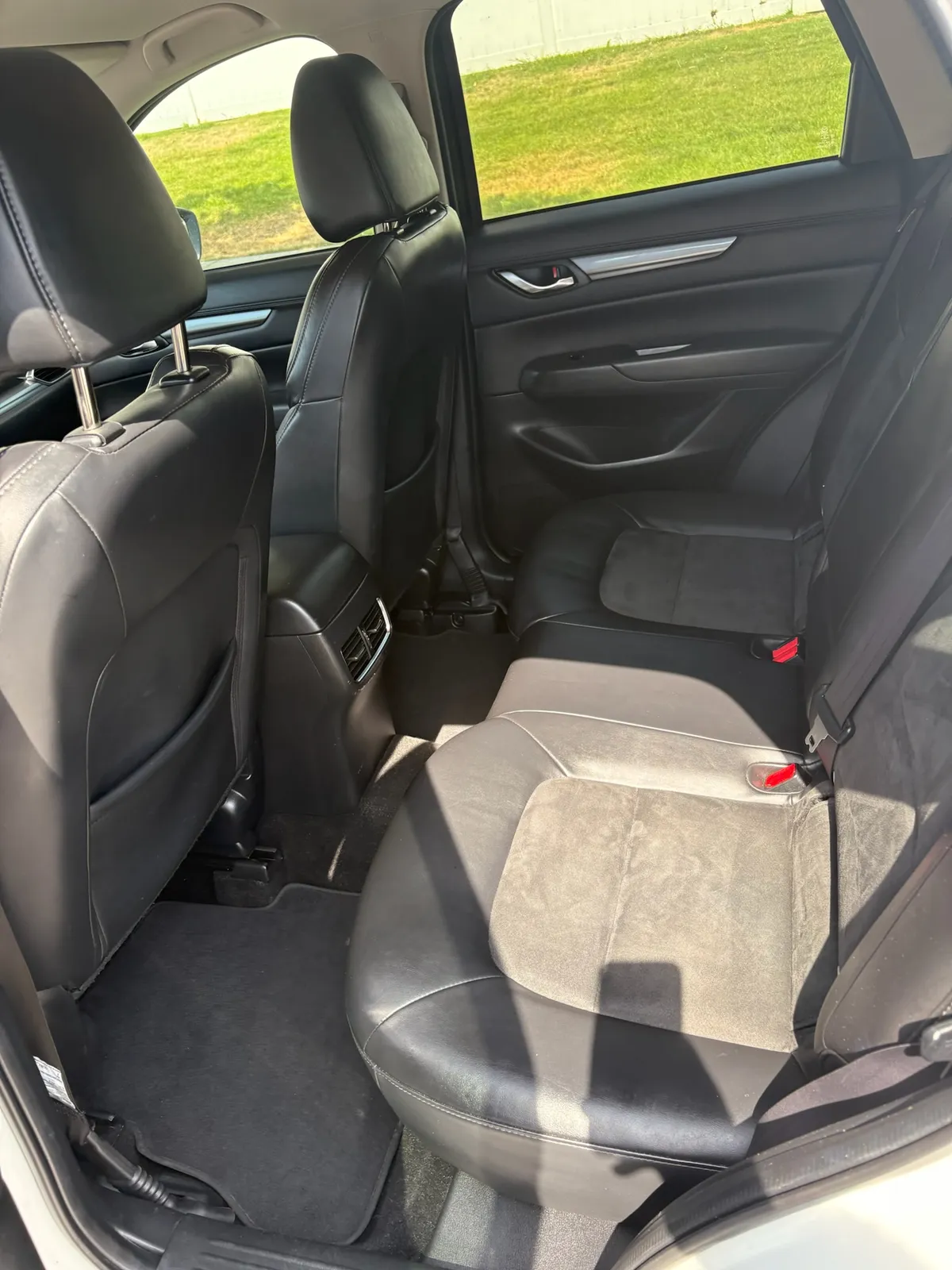
How Do You Get Stains Out of Car Seats
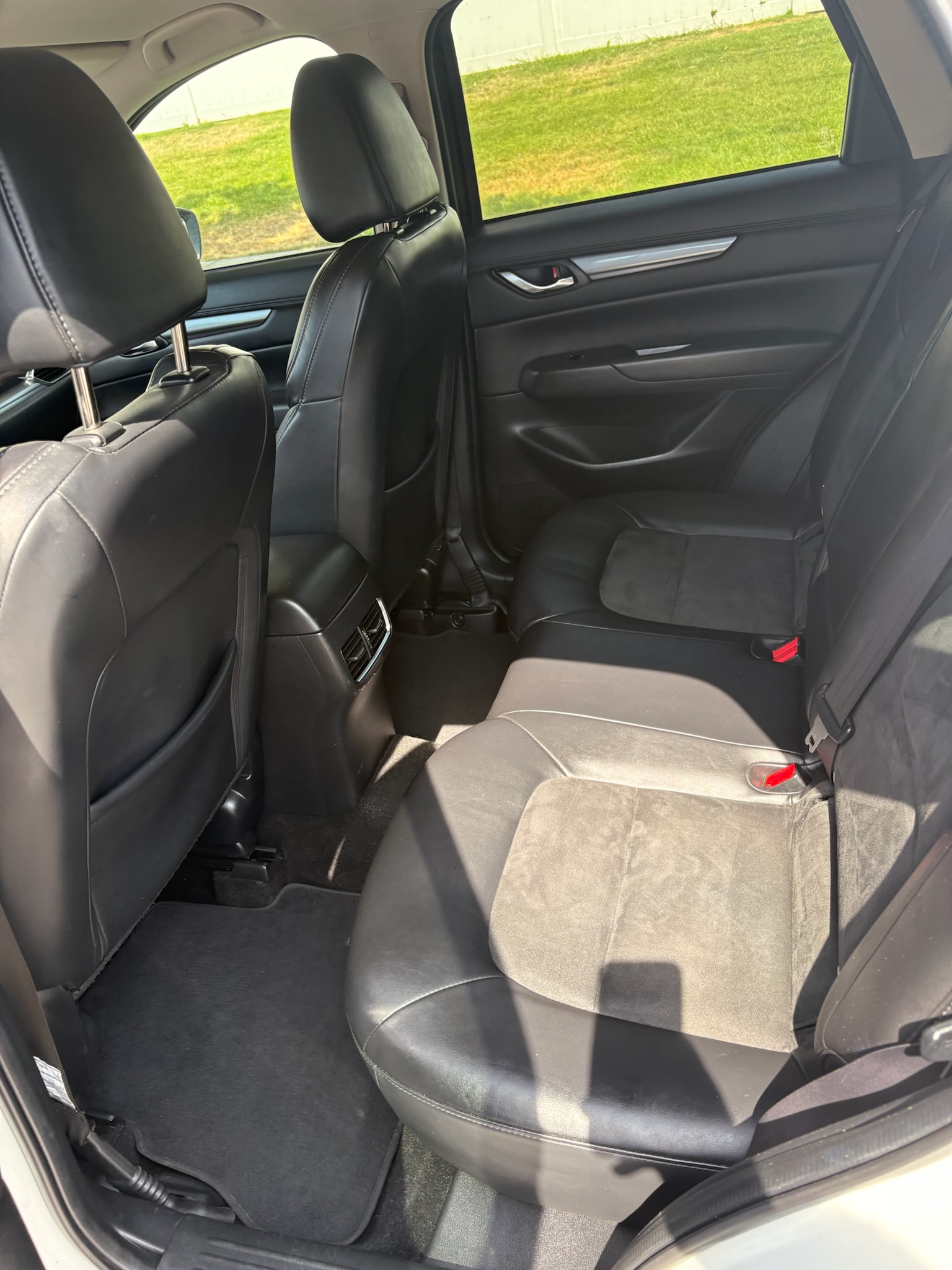
How Do You Get Stains Out of Car Seats?
If you have ever looked at a stain on your car seat and thought,“What am I supposed to use to get that out?”you are not alone.
Car seats can collect just about everything—coffee, food, drinks, grease, makeup, pet stains, dirt, ink, and all kinds of mystery spills. And while it can be tempting to grab a store-bought stain remover, spray it on, wipe it up, and call it good, professional stain removal is much more involved than that.
At Sharp Detailing, we approach every stain differently becausethe material, the substance causing the stain, and how deeply it has penetrated the material all determine the proper cleaning process.
The goal isn't simply to make the stainlooklike it disappeared. The goal is to break down and remove the substance that caused the stain in the first place.
Why Can't You Just Spray and Wipe a Car-Seat Stain?
One of the biggest mistakes we see is someone spraying a store-bought stain remover onto a seat and wiping it up with a towel.
The problem is that this can address the stain at the surface level without actually removing what is underneath.
A seat can look clean while some of the original substance remains deeper in the fabric or cushion. That leftover contamination can contribute to odors, bacteria, and other problems over time.
Professional detailing is about getting beyond the visible mark.
We use a series of products and techniques designed tobring the contamination to the surface, break it down, agitate it, and then extract it from the vehicle.
Step 1: Identify What You're Dealing With
Before we start attacking a stain, we look at the entire situation.
What caused the stain?
What material is the seat made from?
How severe is the stain?
How deeply has the substance penetrated?
How does that particular material react to moisture, heat, agitation, and cleaning products?
There isn't one product or one tool that works for every stain.
A fabric seat may require a completely different process than leather. Some materials respond well to agitation with a drill brush. Others may require steam, a softer brush, a microfiber towel, or extraction.
That's why professional stain removal isn't simply about having the strongest cleaning product.It's about knowing which process to use for the material and the substance you're dealing with.
Step 2: Bring the Contamination to the Surface
Our first step is typically applying a bio-based product that helps bring dirt and stains to the surface.
This is important because we don't want to simply cover up the visible mark.
We want to start breaking down what is actually causing the stain so we can agitate it and ultimately remove it from the vehicle.
We use several different products depending on the fabric and the severity and type of stain. There is also a specific process for how those products are applied and used together.
The products aren't randomly chosen. They are part of a system designed to work together.
Step 3: Agitate the Stain
Once the appropriate product has been applied, we determine what type of agitation the material can safely handle.
Depending on the situation, this could include:
A drill brush
A steamer
A soft brush
A microfiber towel
An extractor
Again, there isn't one tool that is automatically "best."
The right tool depends on the material and the substance you're trying to remove.
For example, a stubborn stain on a durable fabric may respond well to mechanical agitation, while another material may require a much gentler approach.
Step 4: Treat Stubborn Stains
Some stains require multiple steps.
For example, when we're dealing with a particularly stubborn stain, our process may look something like this:
First, we spray the area with our bio product and allow it to begin working. We then agitate the area with a drill brush.
If the stain is still present, we'll apply our citrus product and allow it to sit for approximately 10 minutes. We then agitate the area again.
After that, we'll use our specialized stain-removing product to continue breaking down the remaining contamination.
Finally, we thoroughly extract the area until the remaining product and contamination have been removed.
The important part is that we're not simply trying to make the stain disappear visually.We're working to remove the substance causing the stain.
What About Leather Car Seats?
Leather requires a different approach than fabric.
The products, tools, agitation, and amount of moisture used all need to be appropriate for the leather.
And in some cases, cleaning isn't the only option.
At Sharp Detailing, we can also perform leather refinishing and repair when the problem goes beyond simply cleaning the surface.
This is another reason it's important to identify the material before deciding how to treat a stain.
Are There Stains That Are Extremely Difficult to Remove?
Absolutely.
Oil stains, for example, can be particularly difficult. However, difficult doesn't necessarily mean impossible.
Some stains also require steam treatment.
There are other situations where the material itself has been permanently altered.
For example, if a chemical or bleach has actually burned or permanently changed the color of the carpet or fabric, cleaning alone can't restore the original color.
In those cases, we clean the material as thoroughly as possible first and then may need to use a dye to restore the appearance.
That's an important distinction:
A stain that can be removed and damage that has permanently changed the material are two different problems.
The Importance of Proper Extraction
Once we've cleaned and treated the seats or carpet, getting the moisture back out is extremely important.
We want to extract as much moisture as possible.
It's okay for the vehicle to be slightly damp after cleaning, but it should never be left soaked.
Too much retained moisture can create its own problems, including unwanted odors and an environment where mold and bacteria can thrive.
That's also why we perform our carpet and fabric cleaning toward the beginning of the vehicle reset. This gives those materials as much time as possible to dry before the vehicle is finished.
We also recommend leaving the windows down when possible so the interior can fully dry.
Can You Prevent Car-Seat Stains?
You can't prevent every spill, especially if you have children, pets, or spend a lot of time in your vehicle.
But you can make a big difference in how quickly stains become permanent.
If you have young children or pets, we recommend considering protective seat covers.
And if you're prone to spills, don't wait months or years before addressing them.
The longer a substance remains in the fabric, the more difficult it can become to completely remove.
That's why regular maintenance matters.
For most vehicles, we recommend a maintenance detail approximatelyquarterly or twice a year, depending on how the vehicle is used.
Regular cleaning helps prevent everyday spills, dirt, and contamination from sitting in the material long enough to become permanent.
So, How Do You Get Stains Out of Car Seats?
The short answer is:you don't just spray and wipe them.
Professional stain removal involves identifying the material and the substance, choosing the appropriate products, bringing the contamination to the surface, breaking it down, properly agitating it, and then extracting it from the material.
Different stains require different products.
Different materials require different techniques.
And some damage can't simply be cleaned away—it may require repair or color restoration.
The goal isn't to hide the stain.
The goal is to remove what's causing it.
That's the difference between making a seatlookclean and actually restoring the material.
At Sharp Detailing, we approach every vehicle individually because no two interiors—or stains—are exactly alike.
