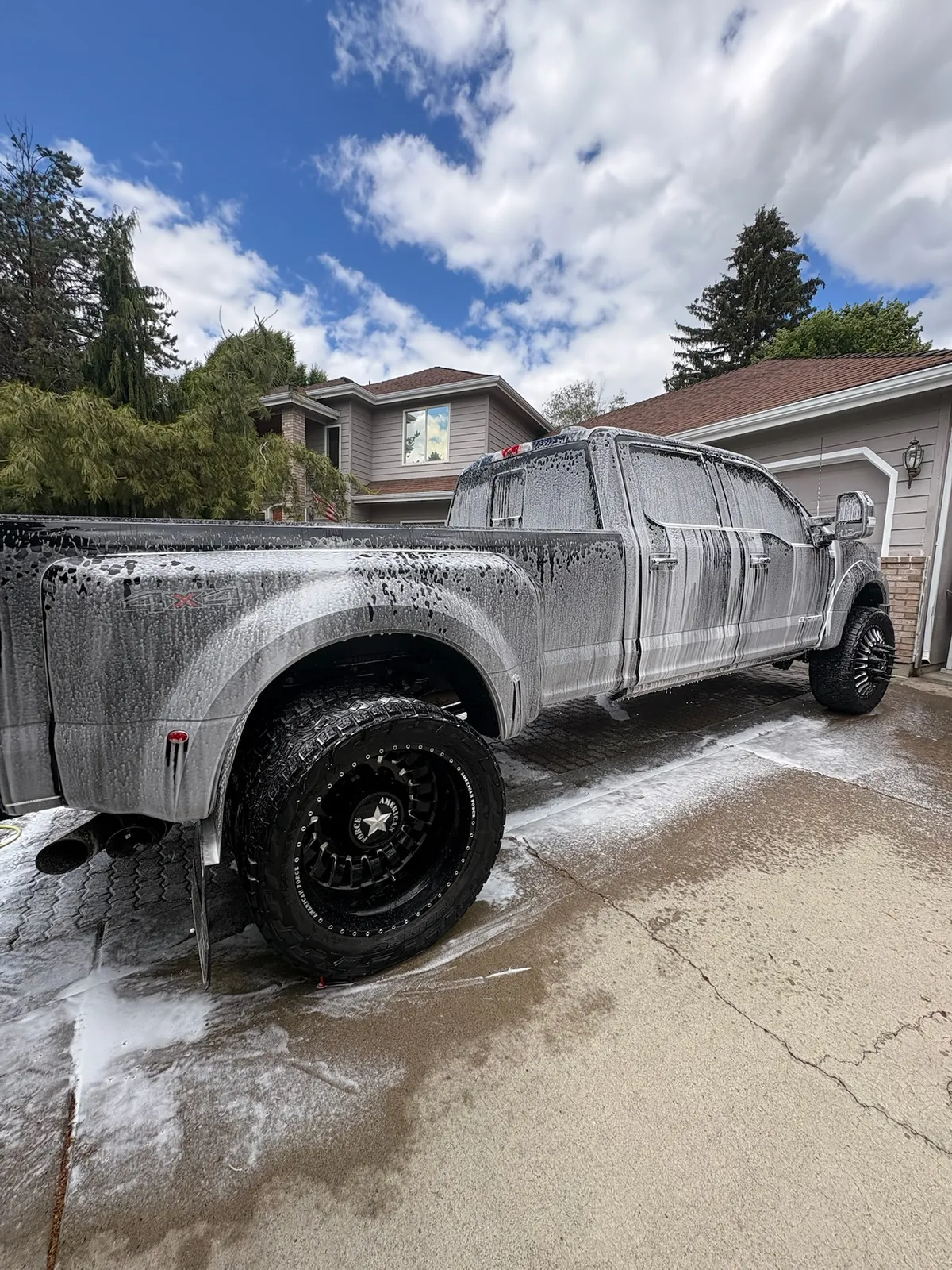
How to Tell If Your Car Needs a Clay Bar
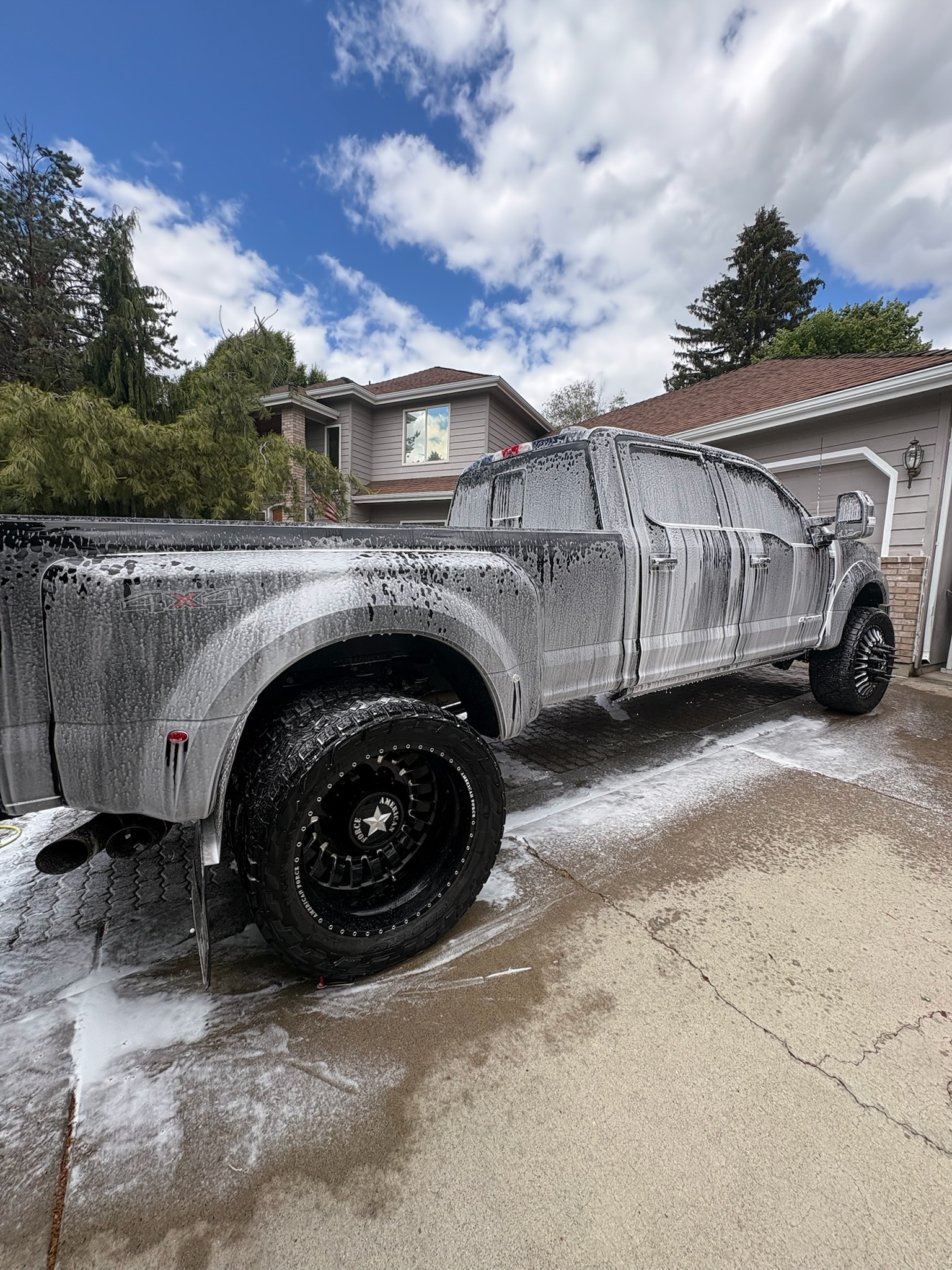
How to Tell If Your Car Needs a Clay Bar
A freshly washed vehicle can look clean but still have contaminants bonded to the paint that a normal wash cannot remove. One of the easiest ways to determine whether your vehicle needs a clay bar treatment is surprisingly simple: feel the paint.
As a professional detailer, I use my hand to evaluate the paint after the initial wash. If the surface doesn't feel smooth and you can feel raised areas or roughness, that's a good indication that the paint needs additional decontamination.
What Does Contaminated Paint Feel Like?
After washing the vehicle, gently run your clean hand across the painted surface.
Properly maintained paint should feel smooth and slick. If instead you feel tiny bumps, roughness, or a texture similar to fine sandpaper, there are likely contaminants bonded to the paint.
You may also be able to see some of the contamination.
Common signs include:
Small raised areas on the paint
Tar buildup
Bugs and bug residue
Tree sap
Tiny orange-colored spots
Road grime and buildup
Brake dust and iron deposits
The tiny orange spots are particularly important because they can indicate iron contamination.
What Is a Clay Bar Actually Removing?
A clay bar is used to remove contaminants that are bonded to the vehicle's paint and aren't easily removed during a normal wash.
Some of the most common contaminants I encounter include:
Iron deposits
Brake dust
Tar
Tree sap
Salt
Road grime
Microscopic rocks and other environmental debris
The bottom half of a vehicle typically takes the most abuse. That's where you're more likely to find heavy road contamination, tar, brake dust, and other debris kicked up during everyday driving.
This is one reason I pay particular attention to the lower doors, rocker panels, rear bumper, and other areas close to the road.
Don't Confuse Iron Decontamination With Claying
When I find significant iron contamination, a clay bar may not be the only step the vehicle needs.
An iron decontamination treatment can be used to chemically break down iron particles before the mechanical decontamination process.
This is especially important when you can see those small orange-colored iron deposits throughout the paint.
Removing these contaminants helps get the surface properly cleaned and can help prevent iron contamination from becoming a bigger problem. It's an important part of a thorough exterior reset.
How I Determine If a Vehicle Needs Clay
I don't automatically clay every vehicle that comes into the shop.
After the first step of the wash, I feel the paint.
If the paint feels rough or contaminated, that's when I know it's time to move beyond a basic wash.
This simple test tells me much more than simply looking at the vehicle. A car can appear clean from several feet away while still having a significant amount of contamination bonded to the paint.
If you can feel it, it needs attention.
What Should Properly Decontaminated Paint Feel Like?
The difference can be dramatic.
Once the contaminants have been properly removed, the paint should feel smooth and clean to the touch.
You'll often notice an improvement in:
Smoothness
Gloss
Overall appearance
How clean the paint looks
How the surface feels when you run your hand across it
The vehicle isn't simply cleaner—you're left with a much better surface to protect.
Why Clay Before Applying a Sealant or Ceramic Coating?
Paint preparation is especially important when you're going to protect the vehicle with a sealant or ceramic coating.
A sealant needs a clean surface to bond to. If contaminants are still sitting on the paint, you're not giving your protection the ideal surface to adhere to.
That's why proper decontamination is an important part of the process.
Clean paint gives your protection a better foundation.
For customers who want to protect their vehicle, I don't look at clay treatment as just another detailing step. It's part of properly preparing the paint before applying protection.
Does Your Car Need a Clay Bar?
Here's my simplest advice:
Wash the vehicle and feel the paint.
If the paint feels smooth, it may not need clay treatment at that time.
If it feels rough, gritty, or you can feel raised contamination across the surface, it's a good indication that the vehicle needs additional decontamination.
And if you're seeing those tiny orange spots, there's a good chance you're dealing with iron contamination that should be addressed.
You don't necessarily need to clay your vehicle on a fixed schedule. Let the condition of the paint determine when it needs decontamination.
At Sharp Detailing, we evaluate the paint first and determine what the vehicle actually needs rather than performing unnecessary services. Sometimes a vehicle needs nothing more than a proper wash. Other times, the paint needs a complete decontamination before we protect it.
If your paint doesn't feel smooth after a wash, that's your sign it's time to take a closer look.
