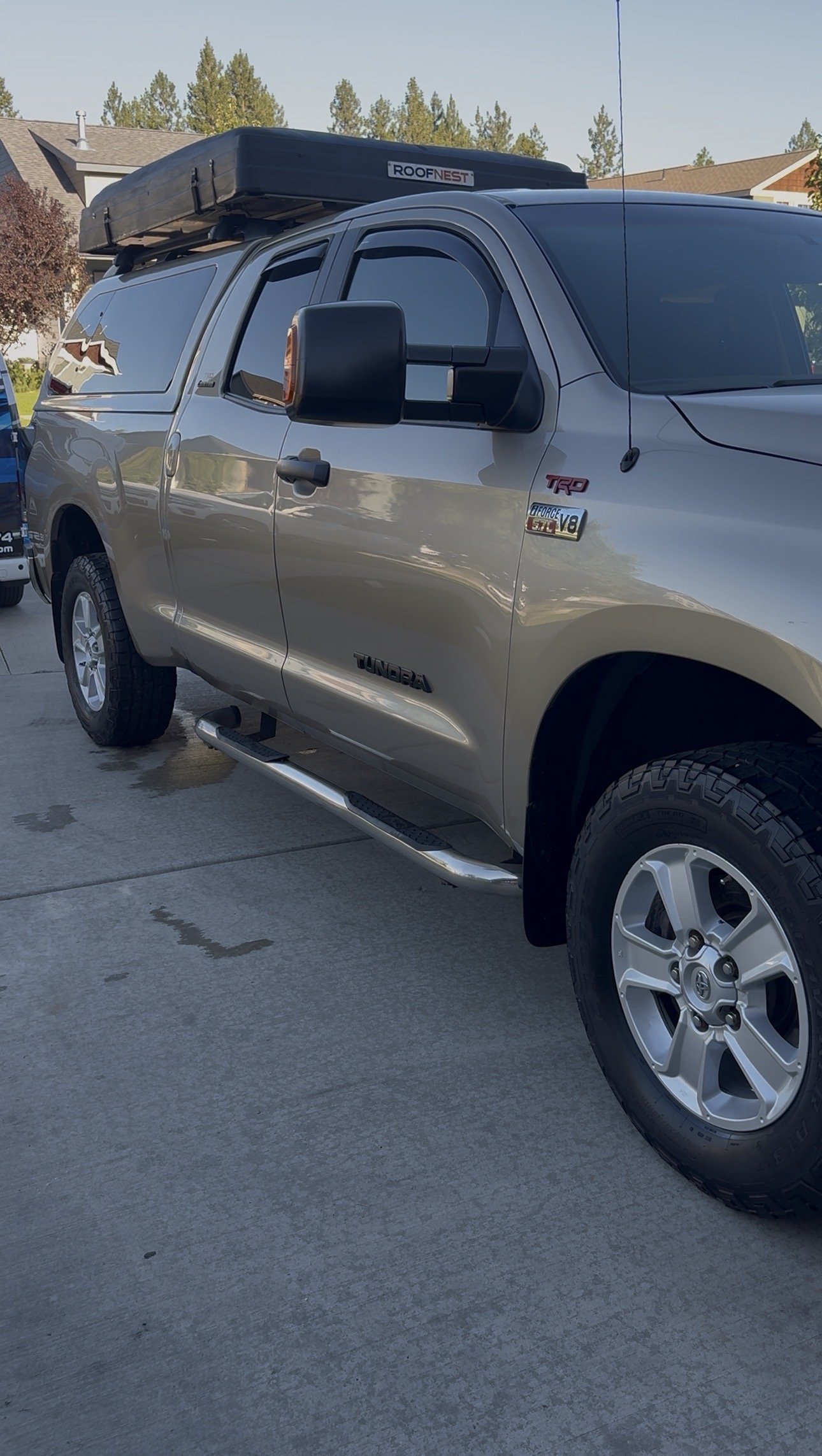
Why Ceramic Coating Starts with Paint Correction

Coating doesn't fix paint - it preserves it.
Ceramic coating has become one of the most talked-about services in automotive detailing. Unfortunately, it is also one of the most misunderstood.
One of the most common assumptions is that ceramic coating improves paint. In reality, ceramic coating does only one thing exceptionally well: it preserves the condition of the paint exactly as it is at the moment it's applied.
That's why correction must come first.
Ceramic Coating is Not a Repair
Ceramic coating does not remove scratches, swirl marks, oxidation, or haze. It does not level paint. It does not "hide" defects.
What ceramic coating does is lock in the current state of the surface and add chemical resistance, easier maintenance, and long-term protection. If defects exist before the coating is applied, those defects are sealed beneath it.
This is why vehicles that are coated without correction often appear unchanged - or worse, difficult to correct later.
The Problem With "Just Coating It"
When ceramic coating is applied without proper correction and preparation, several things happen:
Existing swirl marks and defects remain visible
Paint clarity does not improve
Future correction becomes more difficult and more expensive
Customers believe the coating failed, when in reality it performed exactly as expected
The issue isn't the coating - it's the process leading up to it.
Every Vehicle Starts in a Different State
No two vehicles arrive in the same condition.
Paint condition is affected by:
Washing habits
Automatic car washes
Previous polishing
Environmental exposure
Vehicle age and mileage
This is why assessment always comes before action.
Before any correction begins, the pain must be inspected under proper lighting to understand what the surface actually needs - not what a preset package assumes it needs.
Test Sections and Controlled Correction
Proper correct does not mean aggressive correction.
At Sharp Detailing, paint correction is approached with restraint. Test sections are performed to determine the least aggressive method needed to restore clarity while preserving clean coat integrity.
More abrasion is not better.
More passes is not better.
The goal is alignment. Not perfection.
Correction should restore the paint - not remove more than necessary.
Why Correction Must Come Before Ceramic Coating
Ceramic coating bonds directly to the paint surface. If oils, fillers, or defects remain, the coating bonds to those instead.
This is why surface preparation is just as important as correction itself. After correction is completed, the paint is fully prepped to remove polishing residue and oils so the coating bonds to true paint - not temporary fillers.
Once coating is applied, the condition of the paint is essentially "recorded."
Ceramic coating doesn't forgive shortcuts. It preserves them.
The Full Ceramic Reset Process
A proper ceramic coating service follows a structured process:
Safe wash and chemical decontamination - removes surface grime and embedded contaminants.
Mechanical decontamination (as needed) - ensures the paint surface is truly clean and ready for correction.
Paint inspection and assessment - determines the condition of the paint and appropriate correction approach.
Test section - establishes the least aggressive method to restore clarity.
Paint correction - Tailed to the vehicle's needs - not a one-size-fits-all approach.
Surface preparation - removes polishing oils and residue to ensure proper bonding.
Ceramic coating application - applied carefully, leveled correctly, and allowed to bond.
Cure and final inspection - ensures the coating performs as intended and the finish is consistent.
Each step builds on the last. Skipping any part compromises the entire result.
Why Proper Ceramic Coating Costs More - and Should
The majority of the time invested in ceramic coating isn't in the coating itself - it's in the correction and preparation beforehand.
Rushed coatings may look acceptable initially, but they often fail to deliver the longevity, clarity, and performance ceramic coatings are known for.
A properly corrected and coated vehicle:
Maintains easier
Looks consistent under all lighting
Preserves paint health long-term
Ceramic coating should be a long-term decision, not a shortcut.
Ceramic Coating Done Correctly
Ceramic coating works best when it is treated as the final step, not the first.
When correction is handled properly and preparation is respected, ceramic coating becomes when it was designed to be - a protective layer that preserves aligned paint, not one that compensates for ignored defects.
If you're considering ceramic coating, the most important question isn't what coating is being used - it's what happens before it's applied.
Thinking About Ceramic Coating?
If you're exploring ceramic coating and want it done correctly, start with a consultation. Every vehicle is different, and the process should reflect that.
